



- Duration: 3 Days (approx.)
- Location: Dhaka
- Product code: PGVBAU
3-Day Dhaka Heritage & Culture Tour — Old Palaces, Lost Cities & Zamindari Mansions
You'll walk through royal palaces and abandoned merchant cities. You'll ride rickshaws in Old Dhaka, stand inside crumbling zamindari mansions, and eat street food that's been made the same way for 150 years. Each day reveals a different layer of this country's remarkable history.
This is not a rush tour. It's a discovery.
Why This Tour Stands Out
Most Bangladesh tours stay in Dhaka and call it done. This one goes further.
In three days, you move through nearly 500 years of history — from the Mughal era to colonial Bengal to the independence struggle to the present. You eat real food, not tourist food. You walk through places that most travelers never find. You talk to people who actually live in these places.
Day 1 — Dhaka: Old City, Royal Palace & the River That Built a Capital
The first day starts early. Really early.
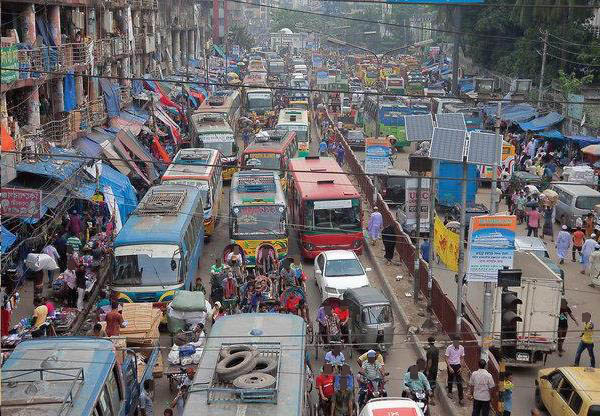
Old Dhaka wakes up before the sun. The narrow lanes fill with the smell of frying food, the sound of wooden cart wheels, and the call to prayer echoing from mosques built centuries ago. This is where your journey begins.
Morning: Old Dhaka Breakfast
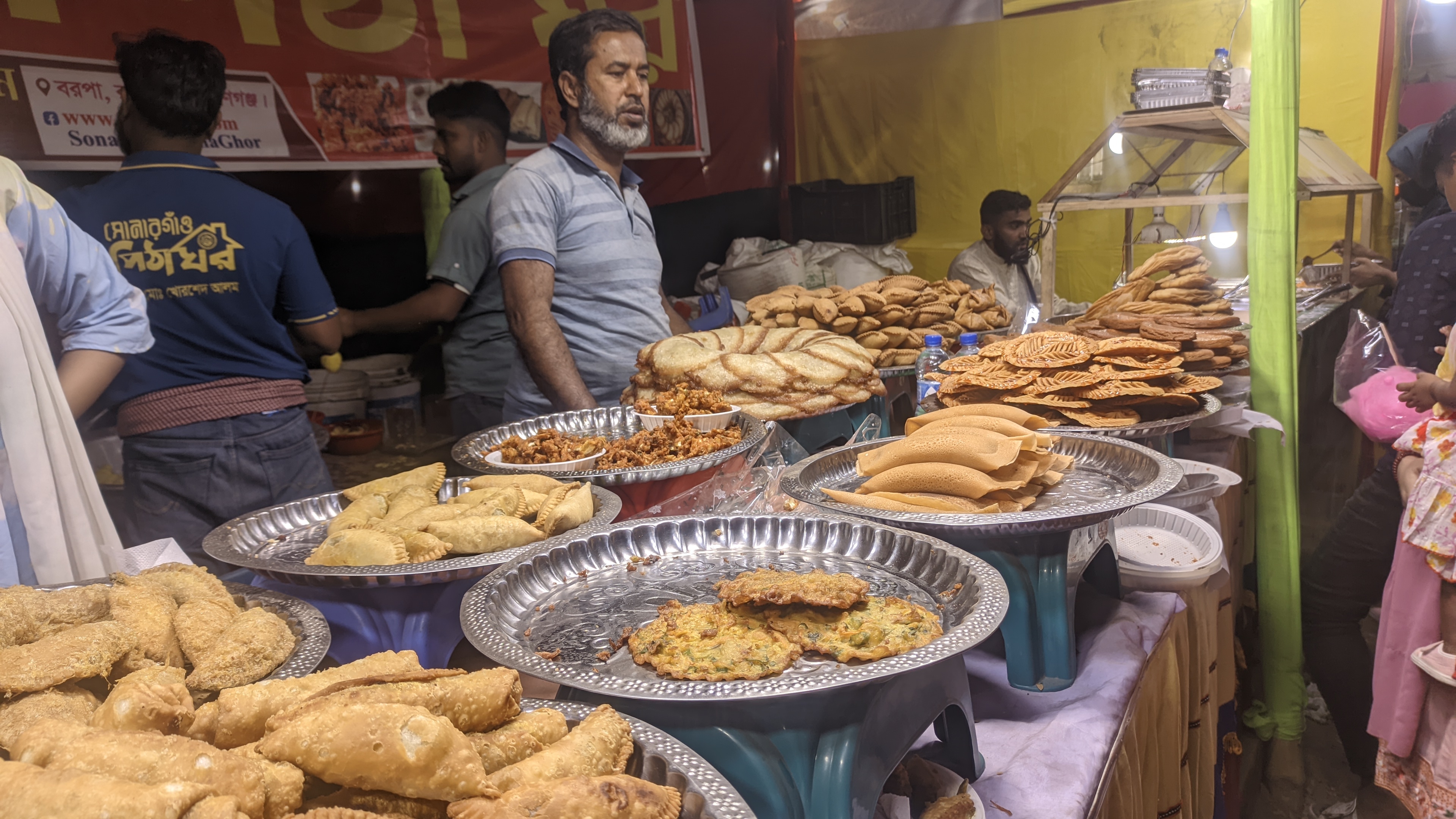
Your guide meets you at your hotel and takes you straight to the heart of Old Dhaka for a traditional breakfast. Think freshly made paratha with beef curry, steaming halim, and milk tea served in small clay cups.
Eating here isn't just about food. It's an experience. You sit beside local workers, shopkeepers, and rickshaw pullers. Nobody looks at you strangely. Food is the great equalizer in Old Dhaka.
Ahsan Manzil — The Pink Palace
After breakfast, you walk to Ahsan Manzil, the famous Pink Palace on the banks of the Buriganga. It's impossible to miss. The building is painted in a bold rose-pink that glows in the morning light.
This was once the official residence of the Nawabs of Dhaka — the most powerful family in colonial Bengal. Built in the 1870s, it saw grand banquets, British officials, and the slow decline of a dynasty. Today it's a museum. Inside, you'll find original furniture, photographs, and personal belongings of the Nawab family. The building itself is as fascinating as anything inside it.
Allow at least 45 minutes here. There's a lot to absorb.
Boat Ride on the Buriganga River
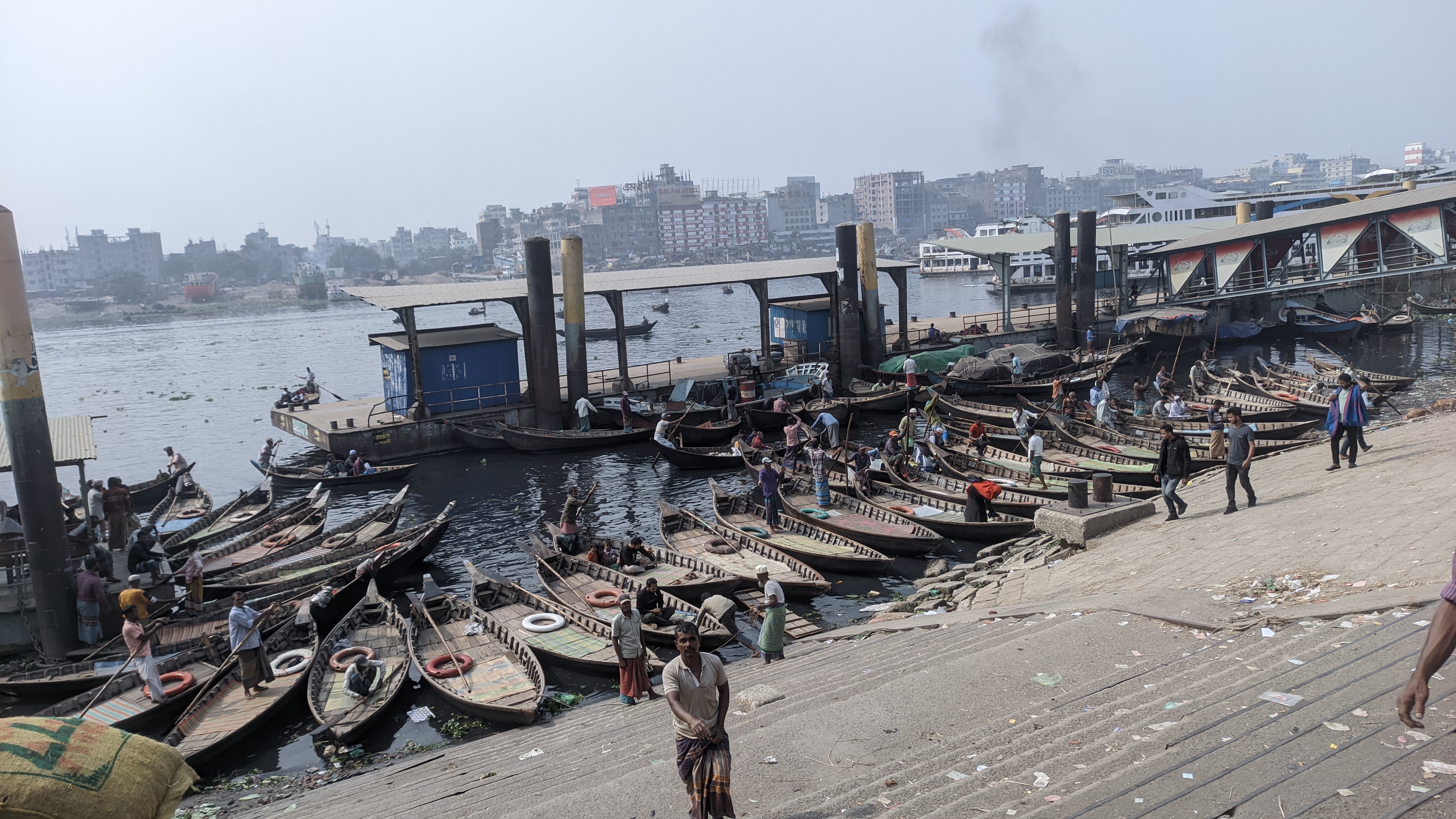
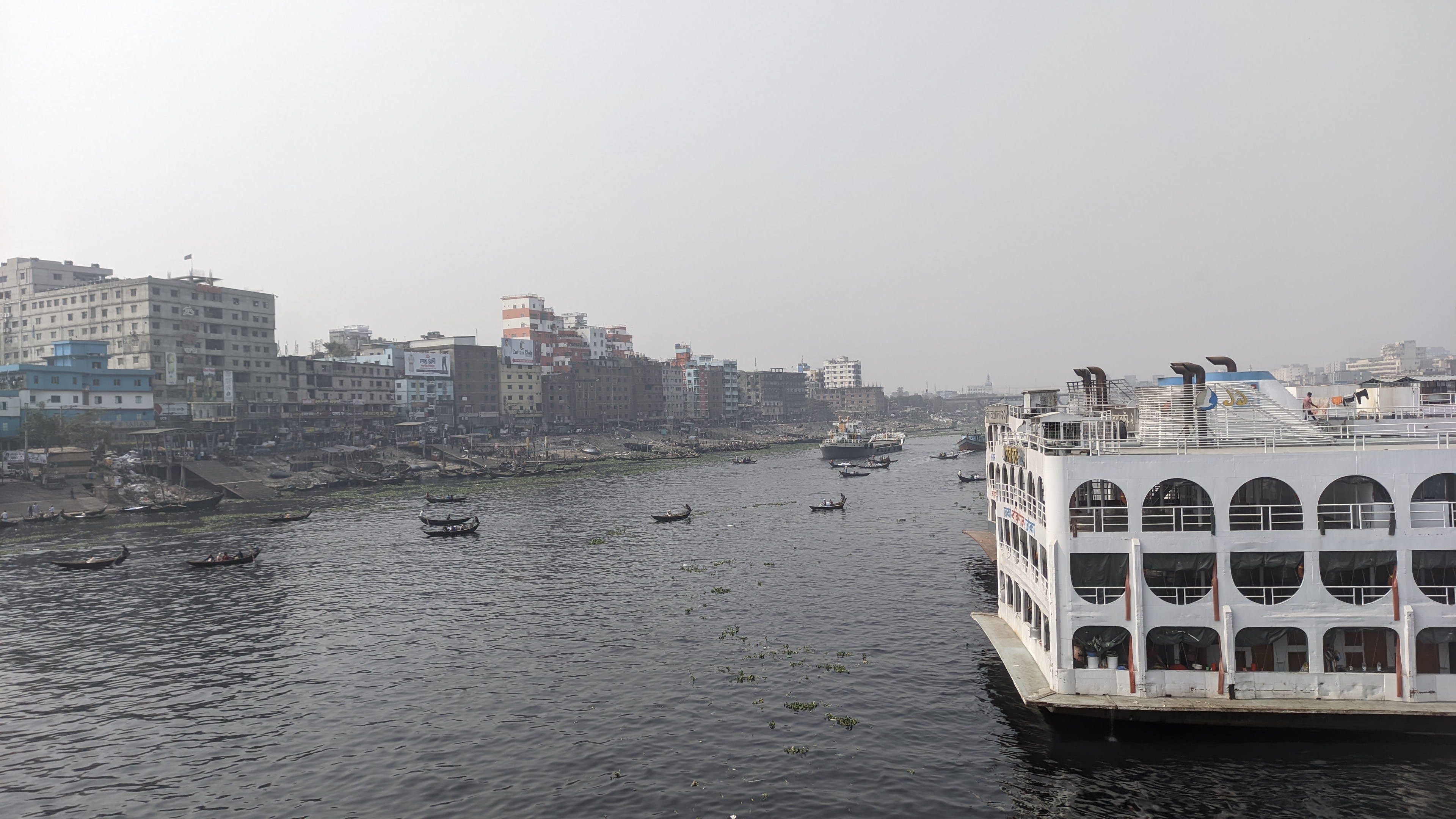
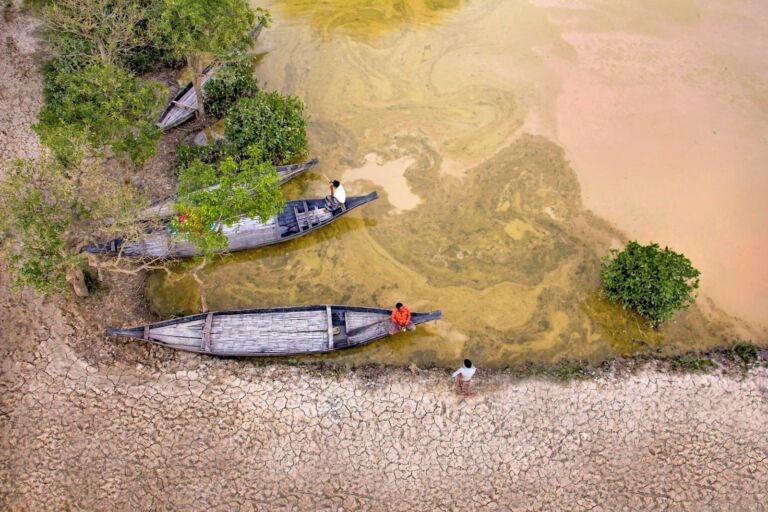
Just outside Ahsan Manzil, you board a small wooden boat for a short ride on the Buriganga River. This river built Dhaka. For centuries, it was the city's lifeline — goods came in by boat, merchants grew rich, and the city spread along its banks.
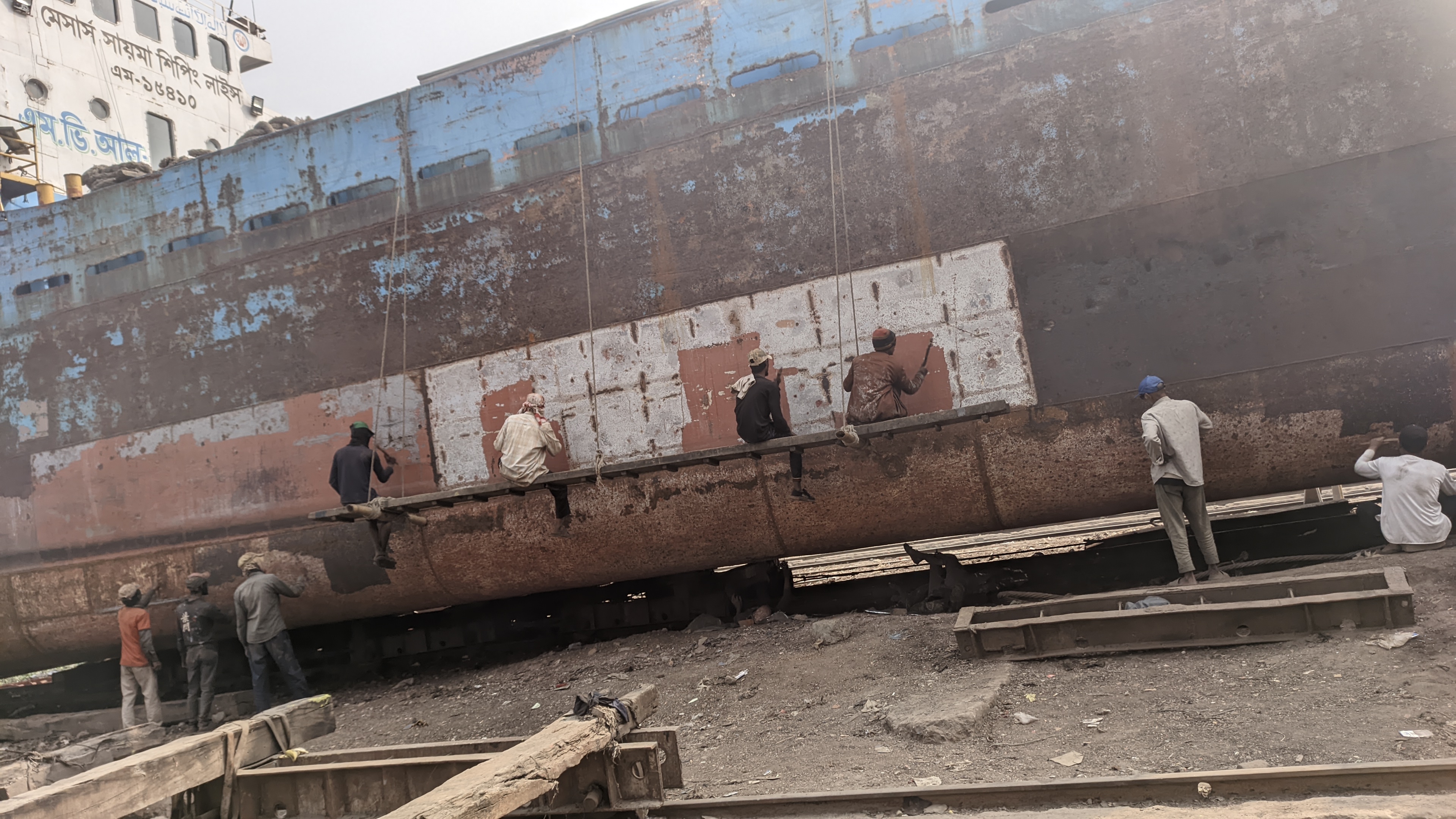
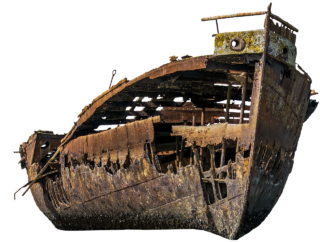
Today the river tells a harder story. But from the water, you get a view of Dhaka that no road can offer. You'll see the old ghats (river steps), rusting boat yards, and the giant frames of ships being broken apart by hand. The shipbreaking activities along the banks are raw and fascinating — hundreds of workers dismantling massive vessels with simple tools.
It's not pretty. But it's real.
Lalbagh Fort
From the river, you head to Lalbagh Fort — a 17th-century Mughal fortress that was never fully completed. Aurangzeb's son started building it in 1678, but construction stopped after a royal death, and it was never finished.
What remains is still impressive. Three structures survive inside the fort walls: a mosque, a pavilion, and the tomb of Pari Bibi — the young woman whose death stopped construction. According to local belief, the fort was considered cursed after her passing.
Walking the grounds here feels different from a normal monument. There's a quiet sadness to an unfinished thing. And the Mughal craftsmanship in the small tomb is genuinely beautiful.
Dhaka University, Shaheed Minar & National Parliament
The afternoon takes you to the historic Dhaka University campus — the intellectual heart of Bangladesh's independence movement. Students here played a central role in the 1952 Language Movement and the 1971 Liberation War.
Nearby, the Shaheed Minar stands as a permanent reminder of that sacrifice. This iconic monument was built to honor students killed on February 21, 1952, while demanding their right to speak Bangla. That date is now recognized as International Mother Language Day by UNESCO.
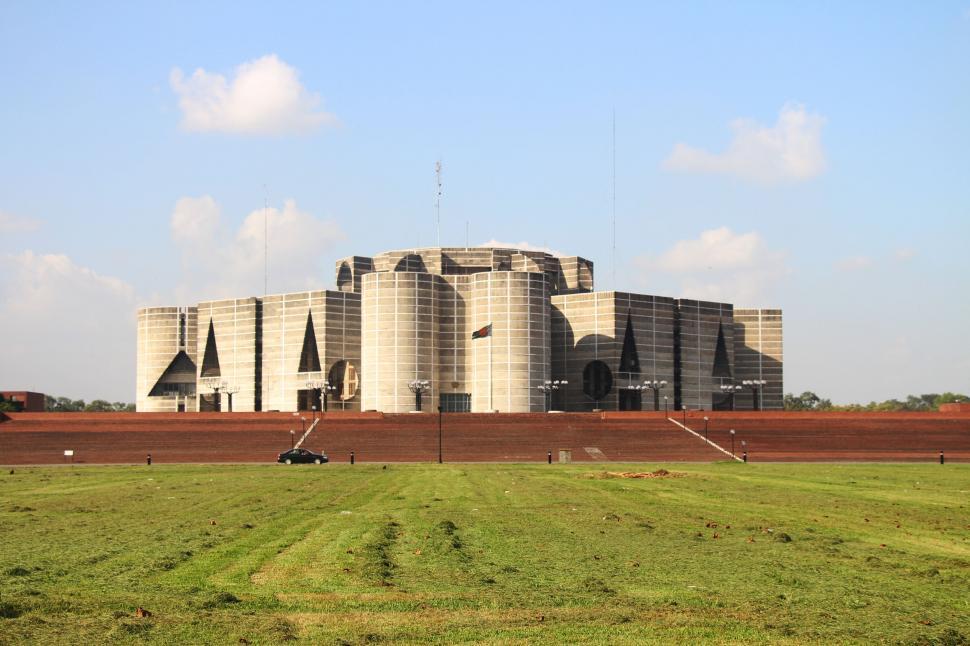
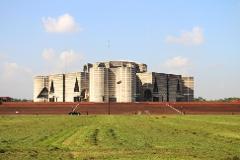
You'll also pass by the National Parliament House, designed by American architect Louis Kahn. You won't enter — exterior visits only — but the view is worth stopping for. The building is one of the most architecturally significant parliament buildings in the world, a masterpiece of raw concrete and geometry.
Rickshaw Ride Through the Old City
No day in Old Dhaka is complete without a rickshaw ride.
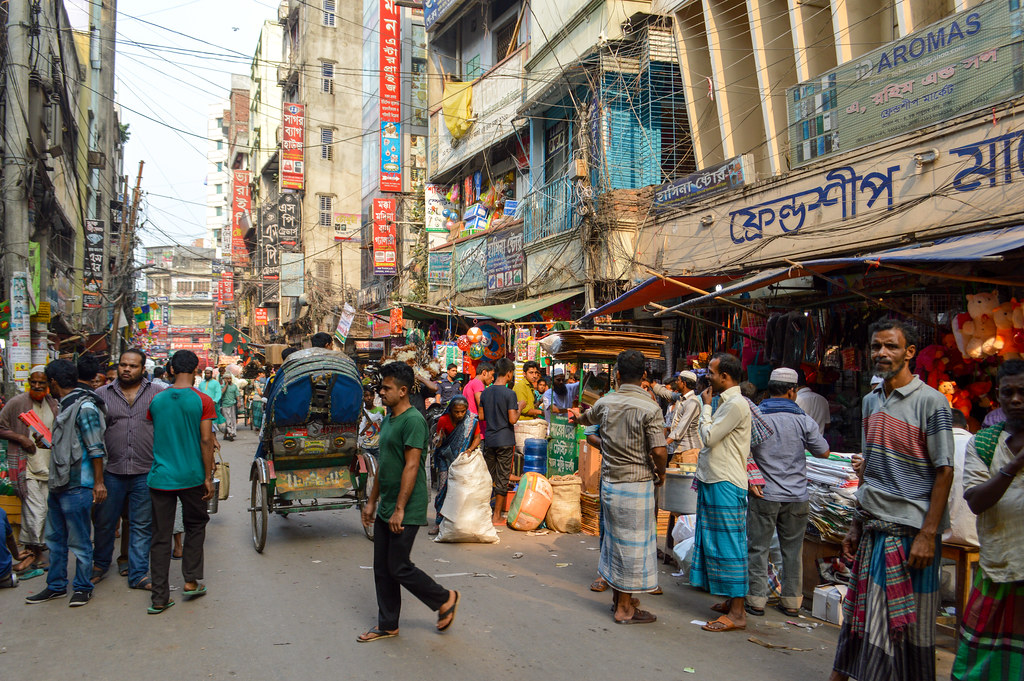
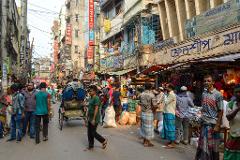
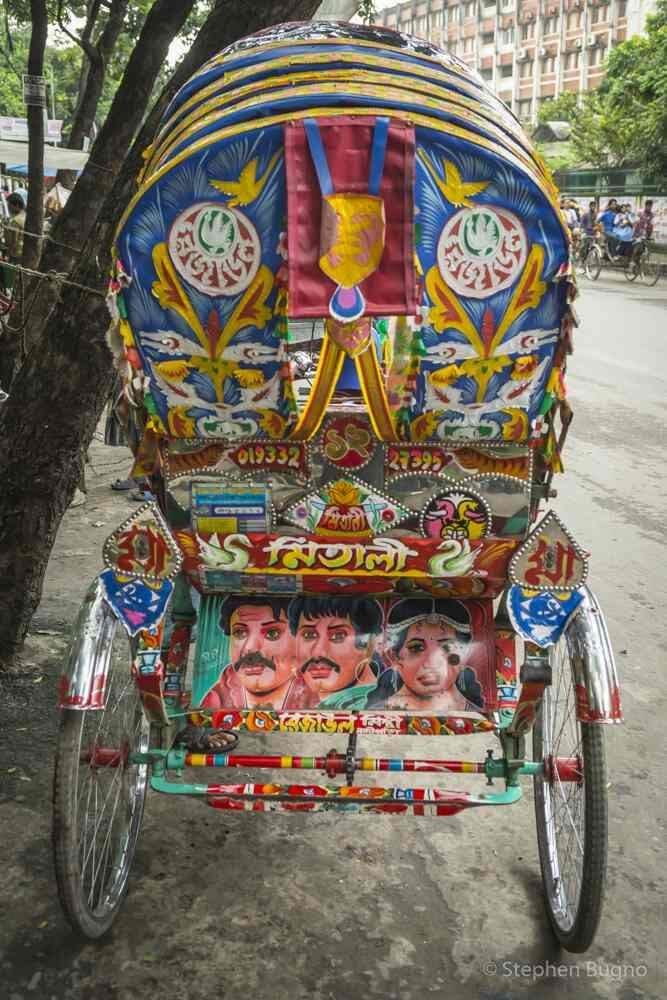
Your guide arranges a cycle rickshaw for you — the kind painted with bright folk art on every surface. You move through lanes that are too narrow for cars, past spice shops and fabric dealers, past children playing cricket in tiny courtyards.
This is how millions of people actually move through Dhaka. For 30 minutes, you're part of it.
Evening: New Dhaka
The evening brings a shift in atmosphere. You move into New Dhaka — cleaner roads, taller buildings, rooftop restaurants. Dinner tonight features modern Bengali cuisine and fusion dishes, a reflection of how this city absorbs everything and makes it its own.
Overnight stay in Dhaka.
Day 2 — Sonargaon: An Abandoned City, a Palace & the Art of Bengal
Drive time from Dhaka: approximately 1 hour.
Sonargaon is one of those places that feels like it shouldn't exist. An entire merchant city, frozen in the early 20th century, slowly being reclaimed by trees and silence.
Stop: Banglar Taj Mahal
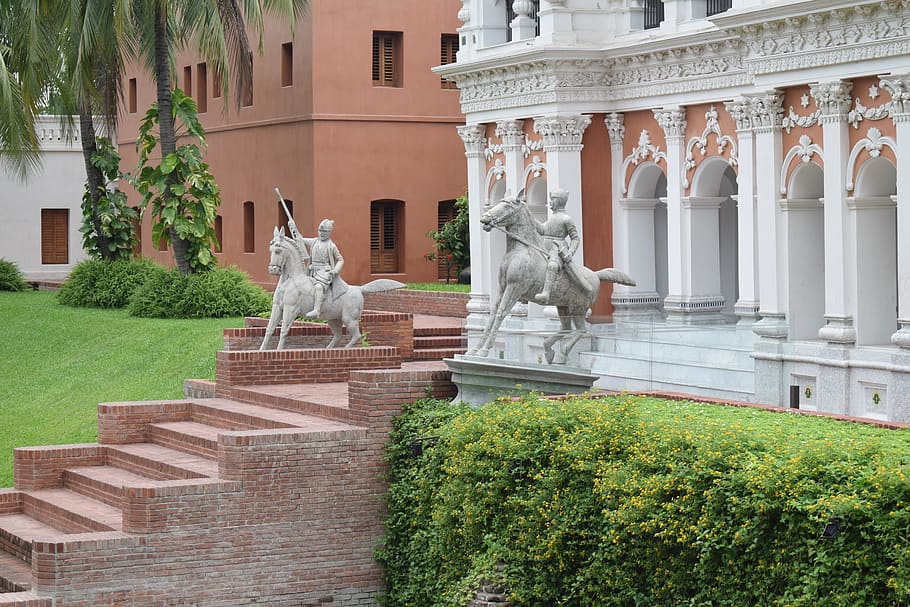
On the way out of Dhaka, you stop at the Banglar Taj Mahal — a replica of India's Taj Mahal built by a Bangladeshi filmmaker in the 2000s. It's smaller. The craftsmanship is different. But the story behind it is interesting: a man who loved the Taj Mahal so deeply, and couldn't afford to take his mother to see the original, built his own.
It's a quirky stop. But it makes a good story.
Panam City — The Ghost Town of Merchants
Panam City is the real heart of Day 2.
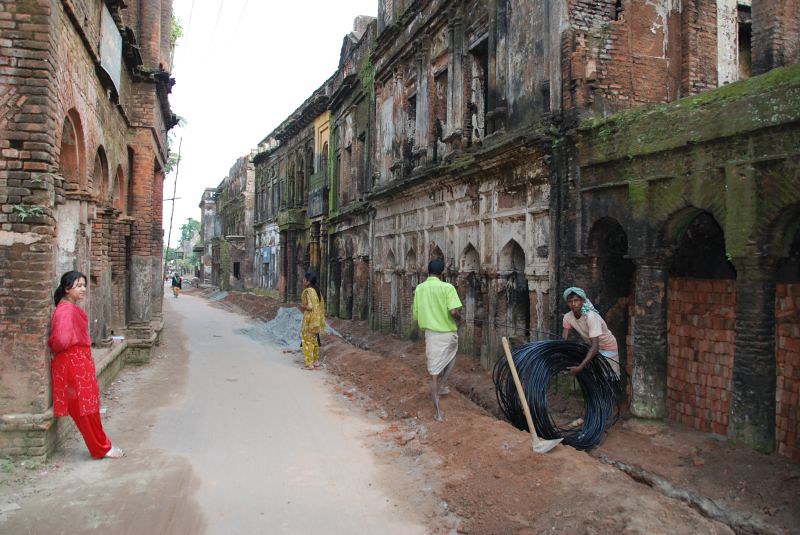
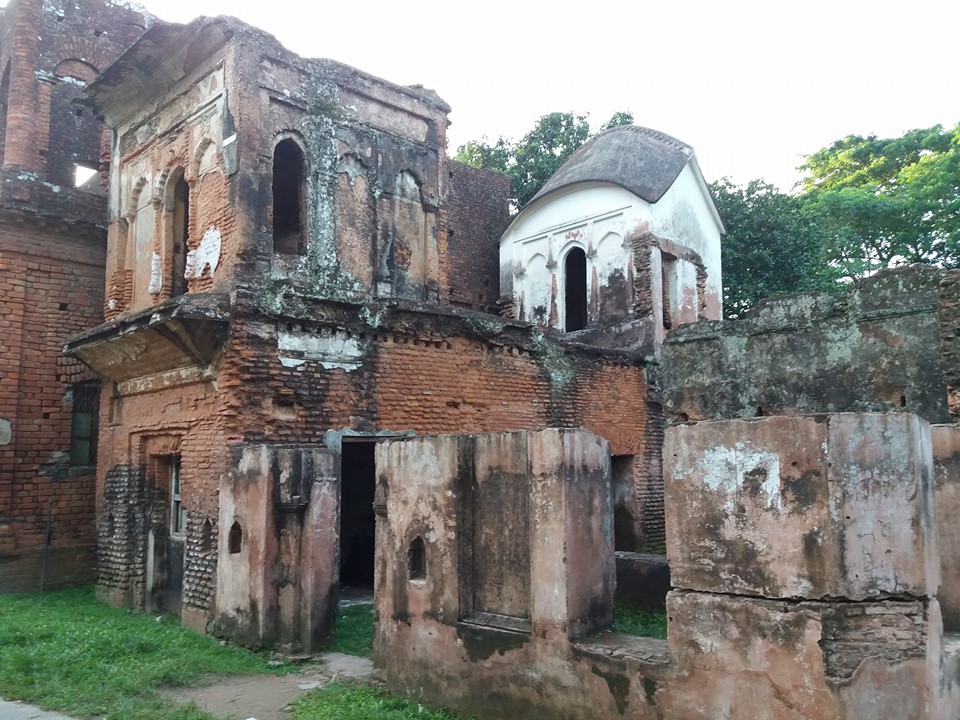
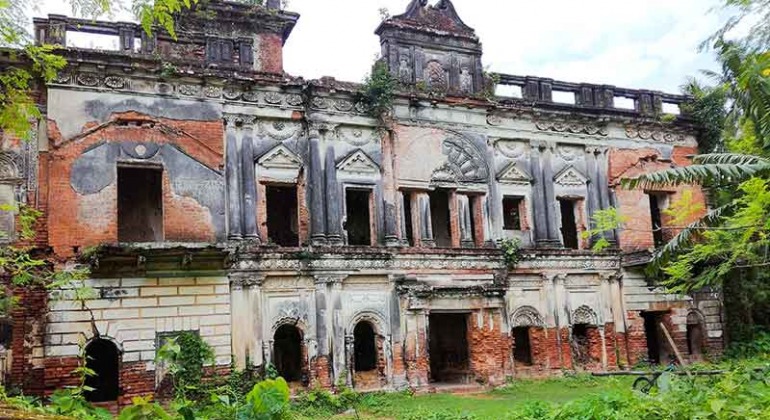
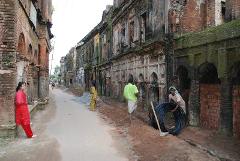
This was once a thriving commercial center during the Bengal Sultanate and later Mughal periods. By the late 19th century, Hindu merchants had built over 50 mansions here — two and three-story homes with detailed brick facades, arched windows, and ornate ironwork imported from Europe.
Then came Partition in 1947. The merchants left. Most never came back. Their houses stood empty. Over 75 years, trees grew through the walls. Floors collapsed. Weeds claimed the courtyards.
Today you walk through what remains. The UNESCO-recognized abandoned city has a haunting beauty. Some mansions are nearly intact, their carved details still visible. Others are hollow shells. Your guide explains who lived in each building, what they traded, and where they went.
Give this place at least an hour. Every building has a different story.
Sadar Bari — Isa Khan's Palace
A short walk from Panam City is Sadar Bari, also known as Isa Khan Palace. Isa Khan was a Baro-Bhuiyans chieftain who famously resisted Mughal expansion in Bengal during the 16th century. He made Sonargaon his capital.
The palace complex reflects the architectural style of that era — thick walls, large halls, and a layout designed for both governance and defense. It's not as dramatic as Lalbagh Fort, but standing here, you feel the weight of the resistance this man represented.
Folk Art & Craft Museum
The afternoon takes you to the Folk Art & Craft Museum in Sonargaon. This is one of the most underrated museums in Bangladesh.
Inside, you'll find an extraordinary collection of traditional crafts: muslin fabric (the ultra-fine weave that once made Bengal famous across the world), jamdani weaving, terracotta, woodwork, and handmade pottery. The museum traces how Bengali artisans worked across generations — and how some of those skills survive today.
After the museum, meet local artisans who still practice these crafts. Watch a weaver work. Ask questions. Buy something directly from the maker if you like. There's no pressure.
Return to Dhaka
You return to Dhaka in the evening, carrying a very different picture of Bangladesh's past than most tourists ever get.
Overnight stay in Dhaka.
Day 3 — Tangail: National Monuments & the Zamindari Mansions of Bengal
The longest drive day, but the most architecturally rich.
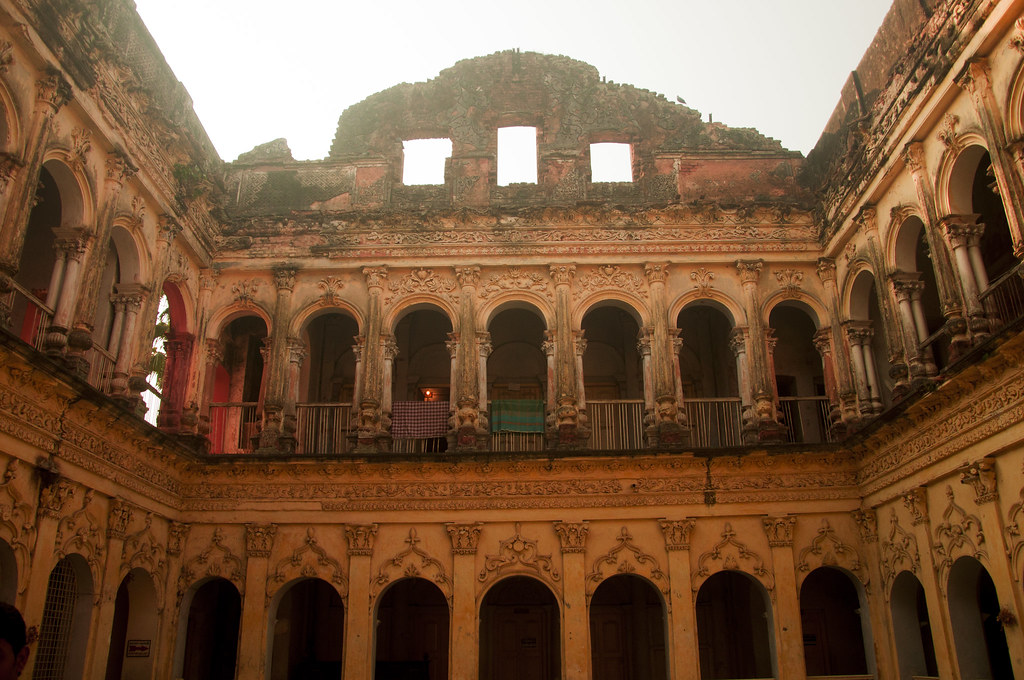
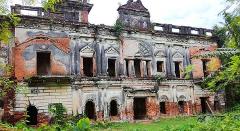
Zamindars were the landlords of Bengal — local rulers who collected taxes for the Mughal and later British empire. In return, they built. They built enormous mansions, temples, ponds, and guest houses across the countryside. Most of those buildings are now abandoned, barely holding together. A few have been restored. All of them are extraordinary.
Savar: National Martyrs' Monument
The day begins with a stop at Savar, about 35 km outside Dhaka, to visit the National Martyrs' Monument (Jatiyo Smriti Soudho).
This memorial honors the three million people killed during the 1971 Bangladesh Liberation War. The monument is a series of seven angular towers rising together — designed by architect Syed Mainul Hossain. The geometry represents seven struggles in Bangladesh's history.
Standing here in the early morning, surrounded by gardens and quiet, is moving. Take your time.
Baliati Jamidar Bari
The first zamindari estate of the day is Baliati Jamidar Bari in Manikganj district. This is the grandest of the four you'll visit — a complex of five buildings built in the 19th century by a wealthy salt merchant family.
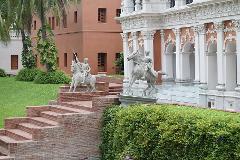
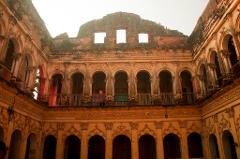
The main palace has over 200 rooms. The exterior is European-influenced: columns, symmetrical wings, large verandas. The interior is decaying but the scale still impresses. A small part of the complex has been turned into a museum. Wander the grounds and imagine the household that once lived here — servants, family members, horses, and constant visitors.
Karatia Jamidar Bari
Karatia Jamidar Bari sits in Tangail district, a little further north. The estate belonged to the Kumar family, who were significant patrons of local culture and education. They built schools and temples alongside their mansion.
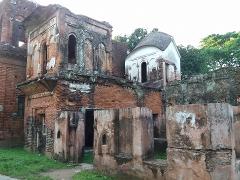
What makes Karatia distinctive is the ornate terracotta decoration on many of the structures — particularly the temples on the grounds. The level of detail in the brickwork is remarkable, especially given how old it is.
Mohera Jamidar Bari
Mohera Jamidar Bari is smaller but arguably the most elegant of the four. The symmetry of the main building is precise, and the reflection pond in front still holds water, giving you the kind of photograph that doesn't need filters.
This estate fell into the hands of the government after Partition, and different parts of it have been used for different purposes over the decades. Some rooms are locked. But the exterior and grounds are fully accessible.
Nagarpur Jamidar Bari
The last zamindari stop is Nagarpur Jamidar Bari — another 19th-century estate that once controlled vast agricultural lands. This one has a slightly different character: the main building has a b Indo-Saracenic influence, mixing Mughal arches with colonial symmetry.
By now, you've seen four different approaches to zamindari architecture in a single day. Each family built differently. Each mansion reflects not just wealth but personality — what they valued, what they wanted to show the world.
Local Village Interactions
Between the estates, your guide stops in local villages. This is not staged. You meet farmers, talk to children, and see how rural Bengal actually lives. The contrast between the crumbling palaces of the former landlords and the modest homes of today's villagers is striking and thought-provoking.
Jahangirnagar University: Bhorta Bhat & a Scenic Campus
The final stop of the tour is the most delicious.
Jahangirnagar University campus, on the return road to Dhaka, is famous for two things: its beautiful natural landscape and the Bhorta Bhat restaurants that line the road outside its gates.
Bhorta Bhat means mashed rice dishes — a distinctly Bangladeshi comfort food tradition. You get a plate of steaming white rice alongside four or five small bowls of bhorta: mashed potato with mustard oil, mashed fish, mashed eggplant, green chili mash. It's simple. It's perfect. And after a full day of exploring, it's exactly what you need.
Walk around the campus lake before or after eating. The campus is exceptionally green, especially in the late afternoon light.
Return to Dhaka. Hotel drop-off. Tour ends.
What's Included
- Comfortable air-conditioned transportation throughout
- Expert English-speaking local guide for all 3 days
- All entrance fees to monuments and museums listed in the itinerary
- Traditional Old Dhaka breakfast on Day 1
- Rickshaw ride in Old Dhaka
- Buriganga River boat ride
- Bhorta Bhat meal at Jahangirnagar University on Day 3
- Hotel accommodation for 2 nights (twin/double sharing basis)
- Bottled water during all travel
What's Excluded
- International or domestic airfare
- Visa fees and travel insurance
- Personal expenses and shopping
- Lunch and dinner unless specifically mentioned above
- Tips and gratuities for guides and drivers (appreciated but not mandatory)
- Early check-in or late check-out hotel charges
- Any activities not listed in the itinerary
- Medical expenses or emergency evacuation costs
Photography: Allowed at almost all sites. Some museum interiors may restrict flash photography. Always ask before photographing local people.
Frequently Asked Questions
Q: Is this tour suitable for first-time visitors to Bangladesh?
Absolutely. This itinerary is specifically designed to give newcomers a rich, well-rounded introduction to Bangladeshi history and culture. Your guide will provide context at every stop.
Q: How safe is Old Dhaka for tourists?
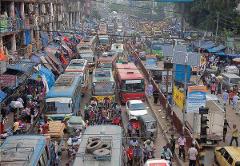
Old Dhaka is busy and crowded, but it's generally safe for tourists, especially with a local guide. Keep your phone and valuables secure in busy markets. Use common sense, as you would in any dense city.
Q: Can dietary restrictions be accommodated?
Yes. Please inform us in advance. Vegetarian and halal options are easily available throughout the itinerary. Avoiding seafood or specific spices can also be arranged with advance notice.
Q: What happens if a site is closed on the tour day?
We monitor site closures and plan around them. In the rare event of an unexpected closure, your guide will substitute a comparable alternative nearby.
Q: Can this tour be done privately?
Yes. Private departures are available year-round on any date that suits you. Private tours offer more flexibility in timing and pacing.
Q: Is the Buriganga River boat ride safe?
The ride is short and on calm water. Life jackets are available on request. The boat operators are experienced local boatmen. Children and non-swimmers should feel comfortable.
Q: Can the tour be extended beyond 3 days?
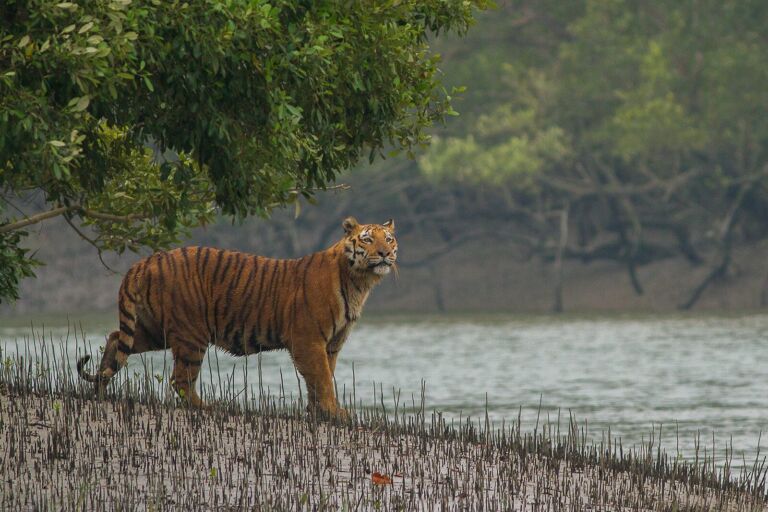
Yes. A common extension adds a visit to Sylhet's tea gardens, the Sundarbans mangrove forest, or the hill country of Chittagong. Contact us to customize.
Q: How far is Sonargaon from Dhaka?
About 27 km east of Dhaka city center. In normal traffic conditions, the drive takes 45–60 minutes.
Q: Are all four zamindari mansions on Day 3 accessible?
Yes. All four estates are open to the public. Some parts may be restricted inside individual buildings, but exterior exploration and grounds access are fully available.
Q: Is this tour available for solo travelers?
Yes. Solo travelers can join a shared group departure or book a private tour. We're happy to match solo travelers with similar-interest groups when possible.








 Contact us